


 shengkang1@skmedical.cn


What is an elastic bandage used for?
Elastic bandages, often recognized by their stretchy and flexible nature, play a significant role in the field of first aid and rehabilitation. These versatile medical supplies are widely used for a variety of purposes, including injury management, support, and compression. This article delves into the various uses of elastic bandages, their benefits, and how to apply them effectively.
What is an Elastic Bandage?
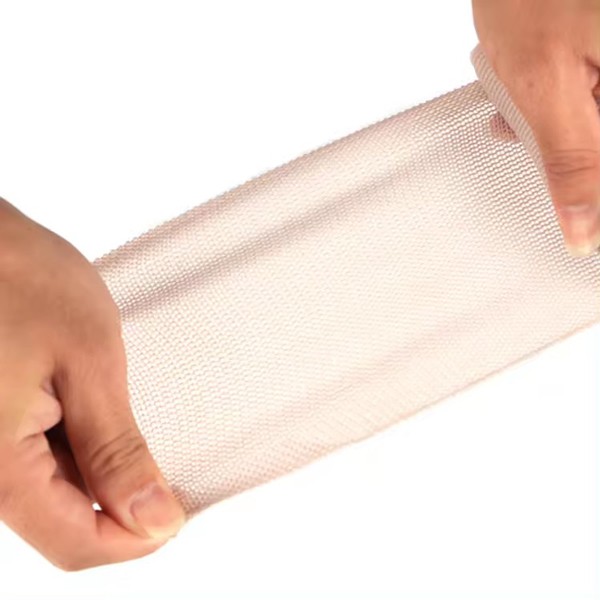
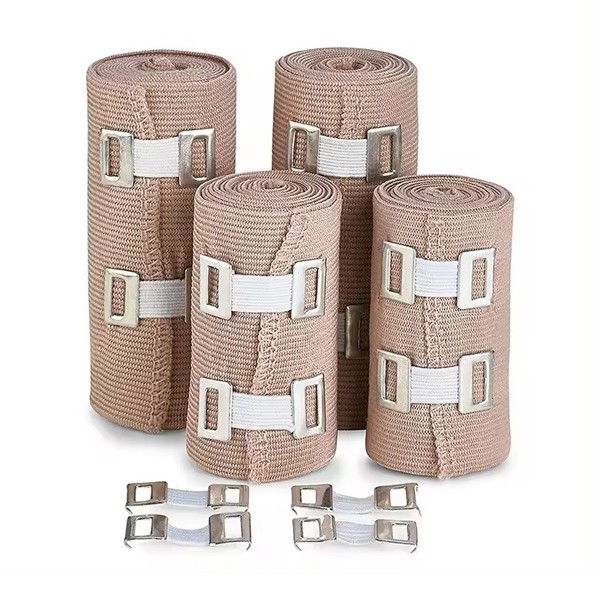
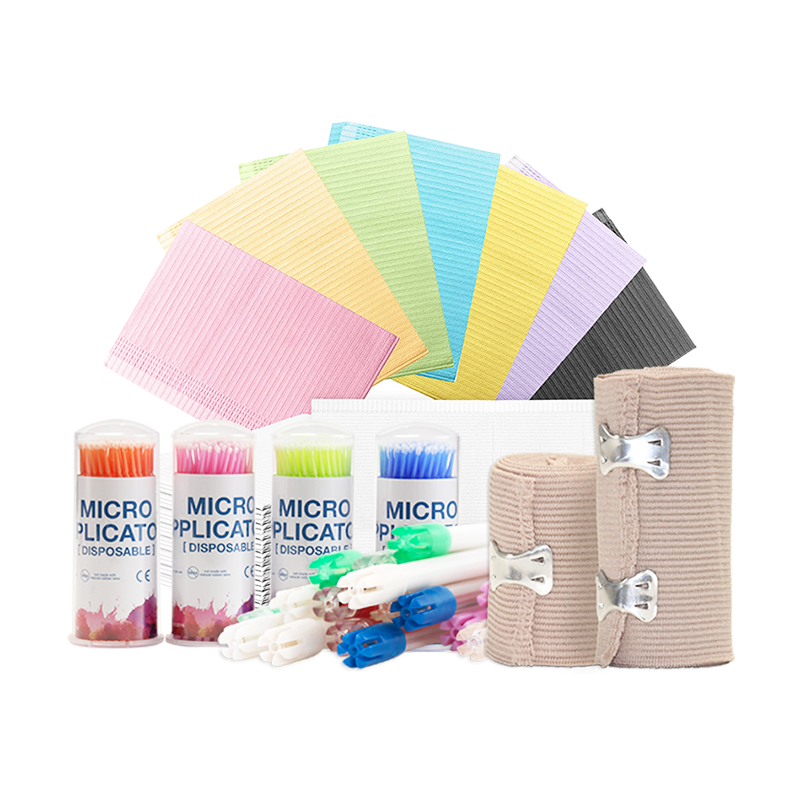
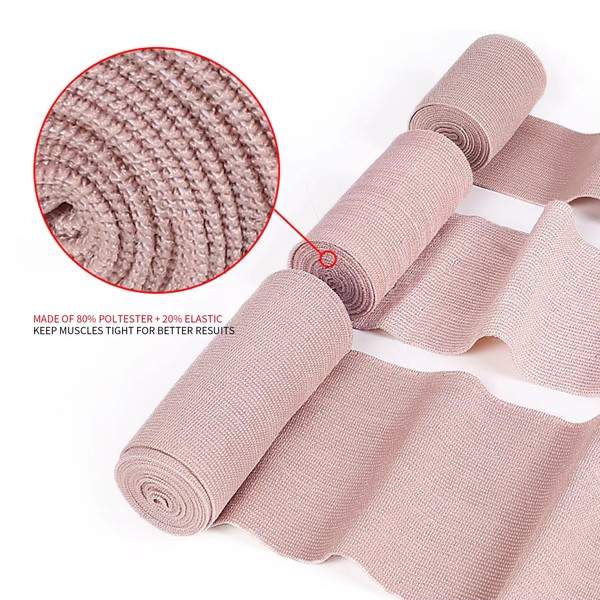
An elastic bandage is a type of compression bandage made from elastic materials, typically woven or knit fabrics. They are designed to stretch and conform to the body, providing support and stability to injured or inflamed areas. Commonly available in varying widths and lengths, elastic bandages can be secured with clips, Velcro, or adhesive.
Types of Elastic Bandages
Compression Bandages: Used primarily to provide compression to reduce swelling and support injured tissues.
Sports Wraps: Often utilized by athletes to prevent injuries and provide support during physical activities.
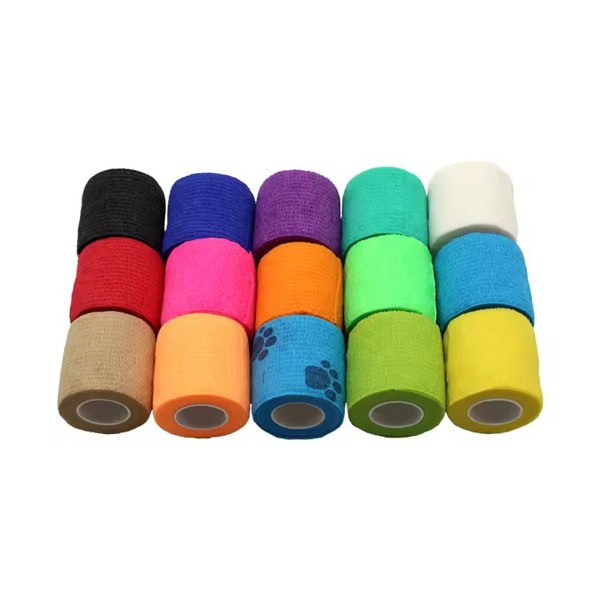
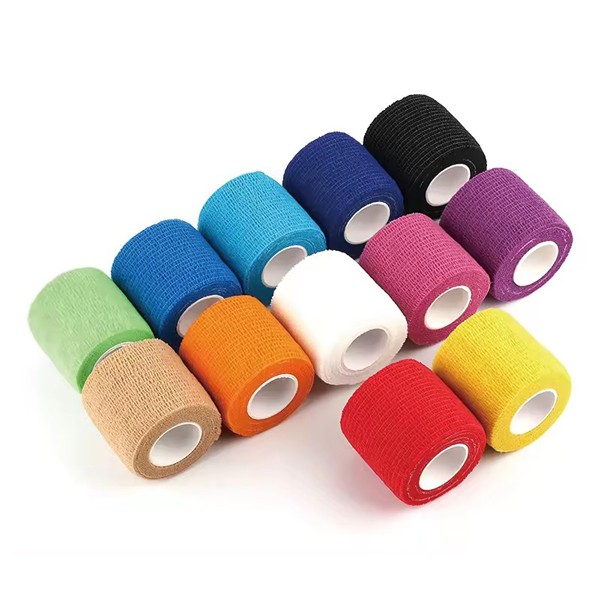
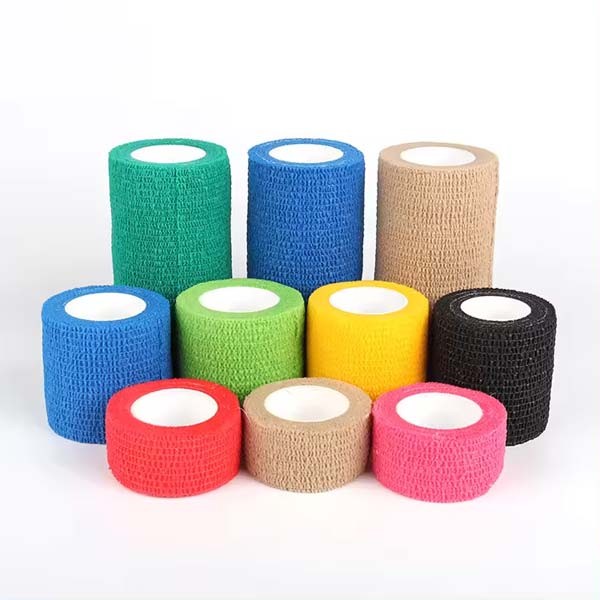
Self-Adhesive Bandages: These do not require clips or pins, making them easy to apply and adjust.
Uses of Elastic Bandages
1. Injury Management
Elastic bandages are essential in managing various injuries, including:
Sprains and Strains: These injuries occur when ligaments or muscles are overstretched or torn. Applying an elastic bandage can help stabilize the affected area and reduce swelling.
Contusions: Also known as bruises, contusions can benefit from compression to minimize swelling and provide support.
Fractures: While elastic bandages are not a substitute for splints or casts, they can be used to secure splints in place until further medical treatment is available.
2. Post-Surgical Support
After surgery, elastic bandages can provide necessary support to the affected area. They help reduce swelling and promote blood circulation, which is crucial for healing. Surgeons often recommend the use of elastic bandages following procedures such as:
Joint Surgeries: Procedures involving the knee, ankle, or wrist may require compression to support the joint.
Soft Tissue Surgeries: Surgeries on muscles or ligaments often necessitate the use of elastic bandages to stabilize the area.
3. Compression Therapy
Elastic bandages are widely used for compression therapy, which is essential in managing conditions like:
Edema: Swelling caused by excess fluid in the tissues can be alleviated through compression, reducing discomfort and promoting healing.
Varicose Veins: Compression bandages can help manage symptoms associated with varicose veins by improving circulation and reducing swelling.
Deep Vein Thrombosis (DVT): In individuals at risk for DVT, elastic bandages can be used to promote blood flow and prevent blood clots.
4. Wound Care
Elastic bandages can also play a role in wound care by:
Securing Dressings: They can be used to hold dressings in place, preventing them from shifting and ensuring they remain sterile.
Providing Compression: For wounds that require compression to control bleeding, elastic bandages can be beneficial.
5. Sports and Physical Activities
In the realm of sports, elastic bandages are extensively used to:
Prevent Injuries: Athletes often wrap joints and muscles with elastic bandages to provide additional support and reduce the risk of injuries during activities.
Rehabilitation: After an injury, athletes may use elastic bandages to support the healing process and gradually return to their sports.
Benefits of Using Elastic Bandages
1. Flexibility and Conformity
Elastic bandages are designed to stretch and conform to the body's contours. This flexibility allows them to provide support without restricting movement, making them ideal for various applications.
2. Adjustable Compression
One of the key advantages of elastic bandages is their ability to provide adjustable compression. Depending on the level of swelling or support needed, users can modify the tension of the bandage during application.
3. Breathability
Most elastic bandages are made from breathable materials, allowing air circulation and reducing moisture buildup. This feature enhances comfort, especially during prolonged wear.
4. Ease of Application
Elastic bandages are user-friendly and can be easily applied by individuals without medical training. This accessibility makes them a valuable resource for first aid and injury management.
5. Cost-Effective
Elastic bandages are relatively inexpensive and widely available, making them an economical option for both individuals and healthcare providers.
How to Apply an Elastic Bandage
Proper application of an elastic bandage is essential for achieving the desired support and compression. Here’s a step-by-step guide:
1. Gather Materials
Ensure you have all necessary materials, including the elastic bandage, scissors (if needed), and any additional support items like dressings or splints.
2. Position the Affected Area
Make sure the injured area is in a comfortable position. Elevating the limb can help reduce swelling.
3. Start Wrapping
Begin at the Bottom: Start wrapping the bandage at the farthest point from the heart (e.g., ankle or wrist) and move toward the body.
Overlap Each Layer: Each layer of the bandage should overlap the previous layer by about half to ensure even compression.
Maintain Tension: Apply enough tension to provide support but avoid wrapping too tightly, which could restrict blood flow.
4. Secure the Bandage
Once wrapped, secure the bandage using clips, Velcro, or adhesive, depending on the type of bandage used. Ensure that it stays in place and does not slip.
5. Monitor for Discomfort
After application, check for signs of discomfort, numbness, or excessive swelling. If any of these occur, loosen the bandage immediately.
Precautions When Using Elastic Bandages
While elastic bandages are beneficial, it is important to take certain precautions:
Avoid Over-tightening: Ensure the bandage is snug but not too tight, as this can lead to circulatory issues.
Check for Allergies: Some individuals may be allergic to the materials used in elastic bandages. Be cautious and monitor for any adverse reactions.
Seek Professional Help: If the injury is severe or does not improve with home treatment, it is crucial to seek medical attention.
Elastic bandages are versatile and invaluable tools in injury management, post-surgical support, and sports medicine. Their ability to provide flexibility, adjustable compression, and ease of use makes them suitable for a wide range of applications. Understanding how to effectively apply and use elastic bandages can enhance recovery and support overall health.
As with any medical product, proper application and monitoring are essential to ensure that elastic bandages provide the intended benefits without causing further complications. By incorporating elastic bandages into first aid kits and rehabilitation protocols, individuals can better manage injuries and promote healing effectively.