


 shengkang1@skmedical.cn


What is a micro applicator used for
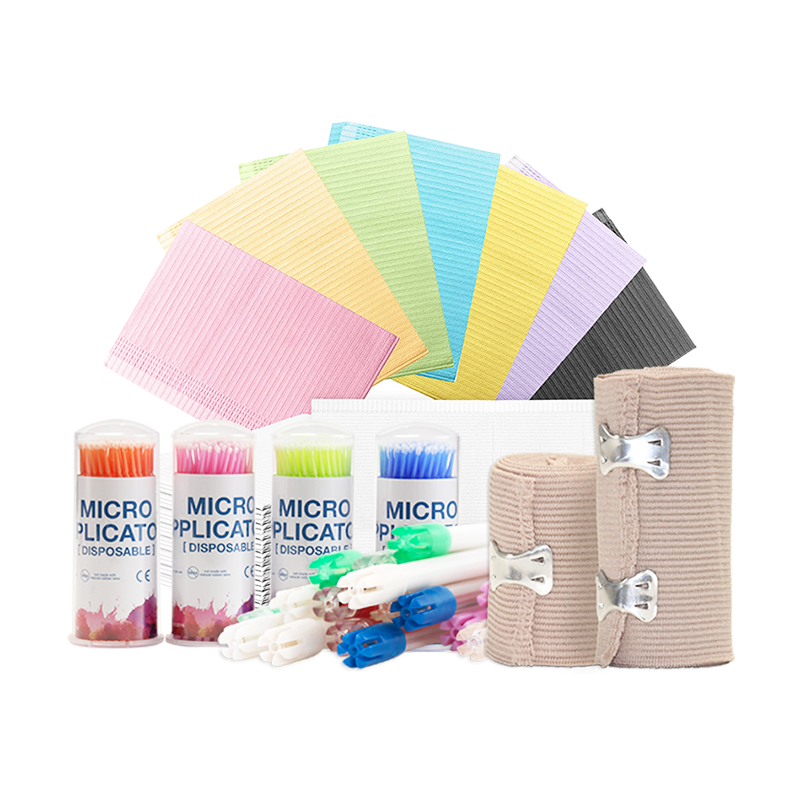
Micro applicators are specialized tools designed for precise application of materials in various fields, including healthcare, dental practices, cosmetic procedures, and scientific research. These slender, often disposable devices are engineered to deliver controlled amounts of substances, making them indispensable in many professional settings. This article explores the various uses of micro applicators, their benefits, and their significance across different industries.
Overview of Micro Applicators
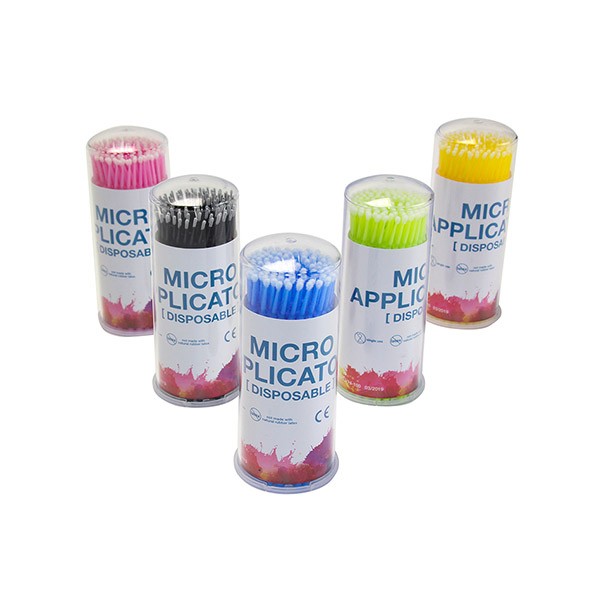
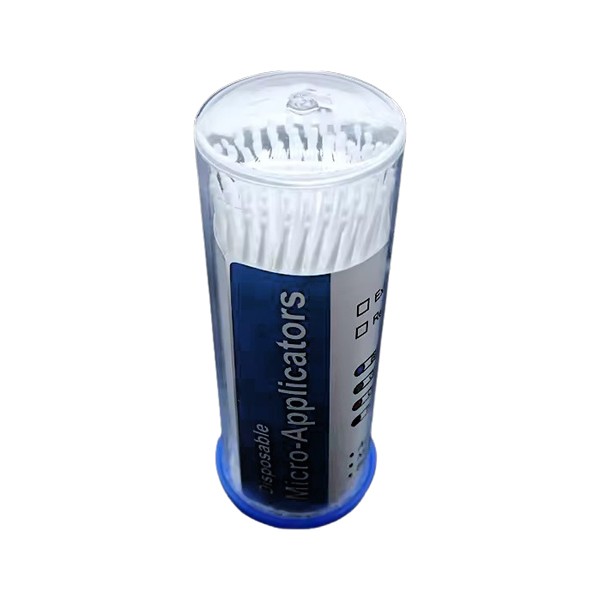
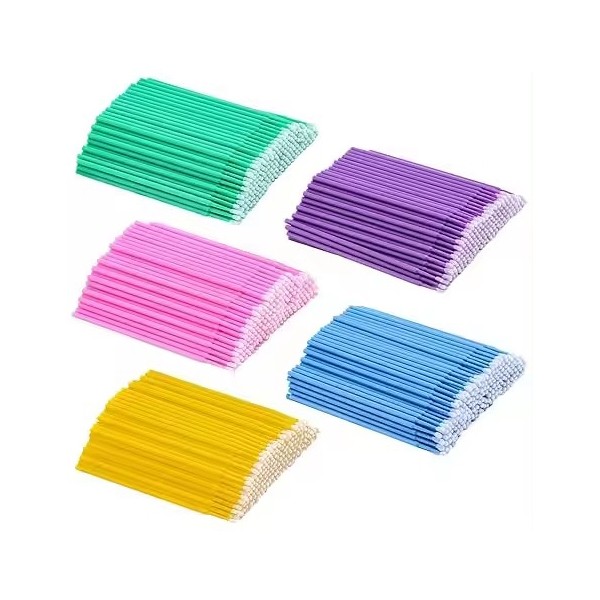
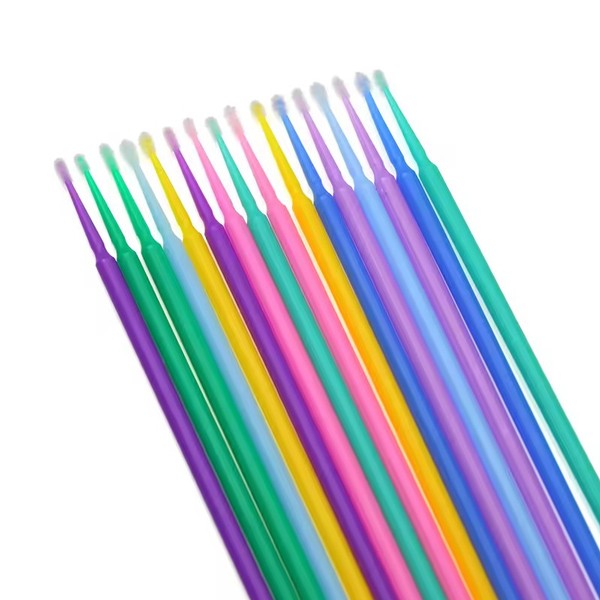
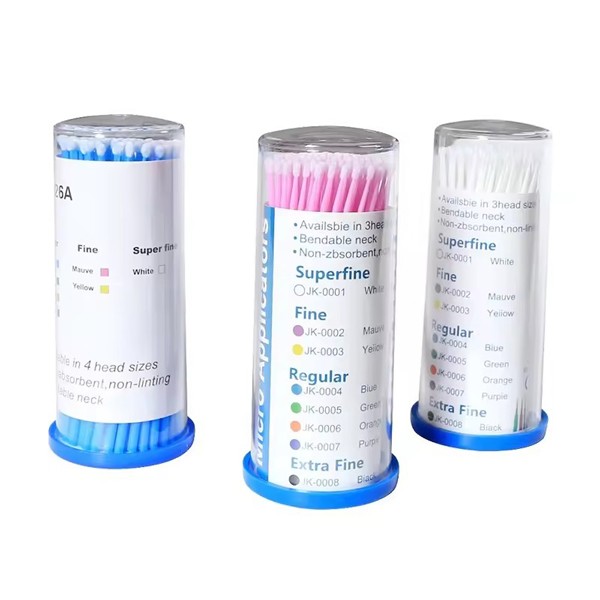
Micro applicators typically consist of a thin, flexible shaft with a small tip, which can be made from various materials like foam, cotton, or plastic. This design allows for pinpoint accuracy, enabling professionals to apply adhesives, medications, or other substances with minimal waste and maximum effectiveness. The size and design make them suitable for both delicate and intricate tasks.
1. Healthcare Applications
In the healthcare sector, micro applicators are frequently used for the application of topical medications, antiseptics, and other treatments. Their precision allows healthcare providers to target specific areas without affecting surrounding tissues.
a. Wound Care
Micro applicators are essential in wound management. They allow for the precise application of ointments and antiseptics to wounds, minimizing the risk of infection. This is particularly important in the treatment of minor cuts, abrasions, and surgical incisions.
b. Ophthalmology
In ophthalmology, micro applicators are used to apply medications directly to the eye's surface. This is crucial for treating conditions like dry eye or infections, where precise dosing is necessary to ensure efficacy and minimize discomfort.
c. Dental Procedures
Dentists utilize micro applicators for various applications, including the precise delivery of dental adhesives, sealants, and anesthetics. Their ability to apply materials in small, controlled amounts makes them ideal for intricate dental work, such as bonding crowns or filling cavities.
2. Cosmetic Applications
Micro applicators have gained popularity in the cosmetic industry for their versatility and precision.
a. Makeup Application
Makeup artists often use micro applicators for detailed tasks like applying eyeliner or lip gloss. Their fine tips allow for more control than traditional brushes or applicators, resulting in cleaner lines and more defined looks.
b. Skin Treatments
In skincare, micro applicators are used to apply serums, creams, and other products to specific areas of the face or body. This targeted application helps in achieving better absorption and effectiveness of the treatment.
3. Scientific Research
Micro applicators play a significant role in laboratory settings, particularly in biological and chemical research.
a. Sample Application
In microbiology, researchers use micro applicators to apply samples onto culture plates. This technique ensures that samples are deposited in precise locations, facilitating accurate analysis and results.
b. Chemical Reactions
Micro applicators are also used to deliver reagents in small quantities for chemical reactions. This is crucial in experiments where precise measurements are necessary to achieve reproducible results.
4. Veterinary Medicine
In veterinary medicine, micro applicators are used for administering medications to animals, particularly in delicate procedures or when treating small animals. The precision of micro applicators ensures that the correct dosage is delivered, reducing the risk of under- or overdosing.
Benefits of Using Micro Applicators
The advantages of using micro applicators are numerous and contribute to their widespread adoption across various fields.
Precision: The primary benefit of micro applicators is their precision. They allow for targeted application, which is crucial in fields like healthcare and cosmetics where accuracy is paramount.
Reduced Waste: By delivering controlled amounts of materials, micro applicators help minimize waste. This is particularly important in industries where materials can be costly or where excess application could lead to complications.
Versatility: Micro applicators are available in various sizes and materials, making them suitable for a wide range of applications. This versatility allows professionals to choose the right tool for their specific needs.
Ease of Use: The design of micro applicators makes them easy to handle, allowing for smooth and efficient application. This ease of use is particularly beneficial in fast-paced environments like dental clinics or emergency rooms.
Cost-Effectiveness: Many micro applicators are disposable, which can reduce the need for sterilization and cleaning. This feature not only saves time but also contributes to overall cost savings in healthcare and cosmetic practices.
Micro applicators are invaluable tools across a variety of fields, providing precision, efficiency, and versatility. Their role in healthcare, cosmetics, scientific research, and veterinary medicine highlights their importance in ensuring effective application of materials. As technology continues to advance, the design and functionality of micro applicators are likely to evolve, further enhancing their utility in professional settings. Whether for intricate dental work, precise medication delivery, or detailed cosmetic applications, micro applicators will remain a cornerstone of accuracy and efficiency in various industries.