


 shengkang1@skmedical.cn


How do you remove barrier film from skin
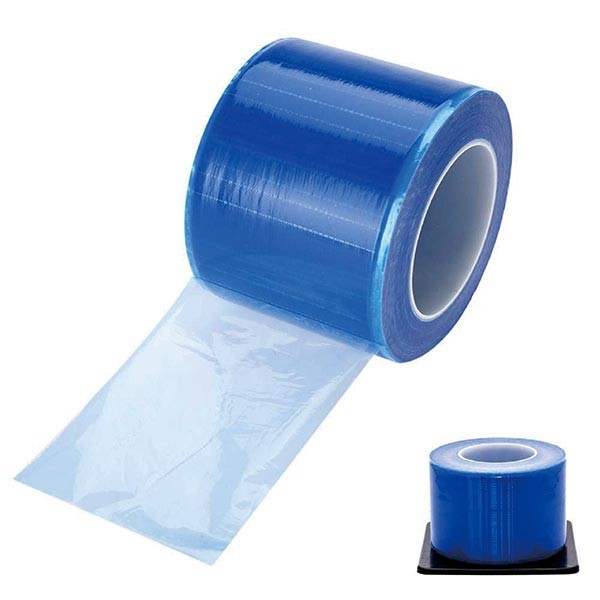
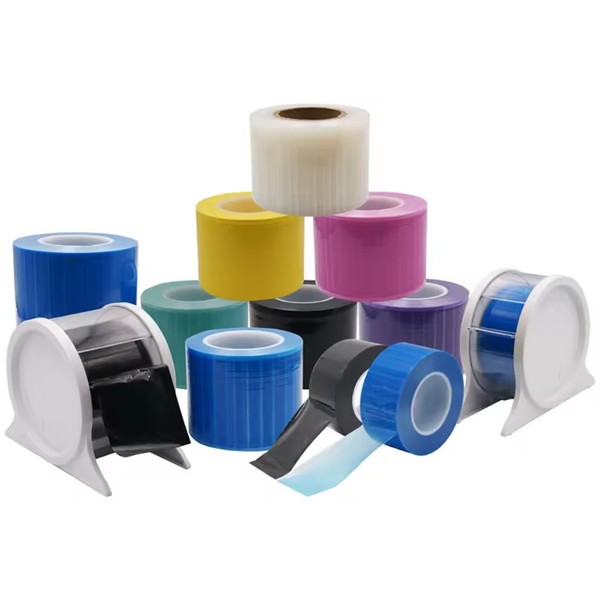
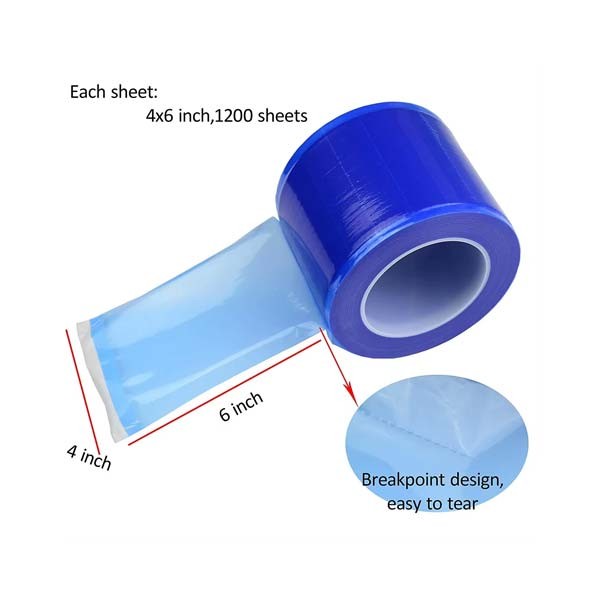
Barrier films are widely used in medical and cosmetic applications to protect the skin from moisture, irritants, and contaminants. While these films serve important purposes, removing them can sometimes be challenging. This article provides a detailed guide on how to effectively and safely remove barrier film from the skin, including techniques, tips, and considerations.
Understanding Barrier Films
Barrier films are thin layers applied to the skin to create a protective barrier. They are commonly used in:
Healthcare: To protect skin during surgical procedures or from bodily fluids.
Cosmetics: In makeup applications to create a smooth base.
Dermatology: To shield sensitive skin areas or to protect against allergens.
While these films are beneficial, they can be uncomfortable or difficult to remove, especially if they adhere strongly to the skin.
Why Removal Can Be Challenging
Barrier films are designed to stick firmly to the skin to provide effective protection. This strong adhesion can make removal difficult, leading to potential skin irritation if not done carefully. Additionally, improper removal techniques can cause discomfort or damage the skin.
Steps for Safe Removal of Barrier Film
1. Gather Necessary Supplies
Before starting the removal process, gather the following supplies:
Moisturizing lotion or oil (e.g., baby oil, mineral oil)
Warm water
Soft cloth or cotton balls
Gentle soap (optional)
Towel
2. Prepare the Skin
Start by ensuring the skin is clean and dry. If the barrier film has been applied over a wound or sensitive area, consult a healthcare professional for specific removal instructions.
3. Apply a Moisturizing Agent
Using a moisturizing lotion or oil can help weaken the adhesive properties of the barrier film. Follow these steps:
Choose the Right Product: Select a moisturizing agent that is safe for your skin type. Baby oil or mineral oil is often recommended, but other lotions may also work.
Apply Generously: Use your fingers or a cotton ball to apply the moisturizing agent around the edges of the barrier film. Let it sit for a few minutes to penetrate the film and soften the adhesive.
4. Gently Lift the Edges
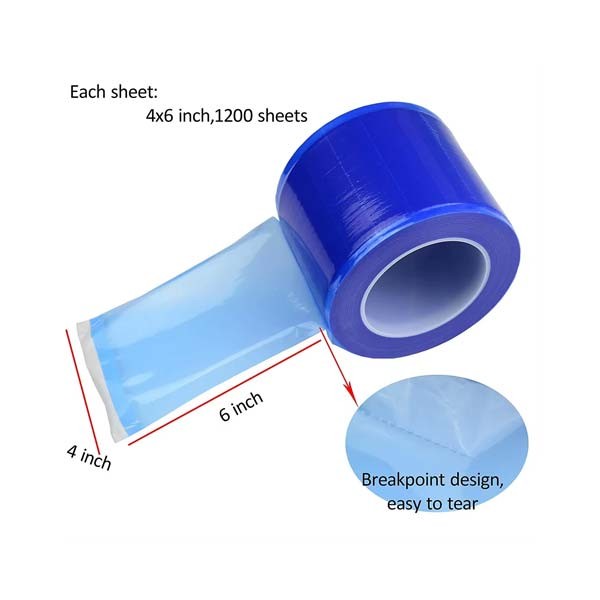
After allowing the moisturizing agent to work, gently lift the edges of the barrier film.
Use Your Fingertips: Start at one corner and carefully peel back the film. Avoid pulling too hard to prevent skin irritation.
Work Slowly: If you encounter resistance, apply more moisturizing agent and wait a bit longer before continuing.
5. Remove the Film
Once the edges are lifted, continue to peel the film off in a slow, controlled manner.
Pull Parallel to the Skin: Pull the film parallel to the skin rather than lifting it straight up. This technique reduces the risk of discomfort and skin damage.
Use a Soft Cloth: If the film is particularly stubborn, you can use a soft cloth to help gently rub the film off as you peel it.
6. Clean the Skin
After successfully removing the barrier film, clean the area thoroughly to remove any residue.
Use Warm Water and Soap: Wash the area with warm water and a gentle soap to ensure all remnants of the adhesive are eliminated.
Pat Dry: Gently pat the skin dry with a soft towel. Avoid rubbing, as this can irritate the skin.
7. Moisturize the Skin
After cleaning the area, apply a soothing moisturizer to help restore hydration and comfort to the skin.
Choose a Gentle Moisturizer: Opt for a fragrance-free product to minimize the risk of irritation.
Apply Generously: Ensure that the skin is well-hydrated, especially if the barrier film was on for an extended period.
Additional Tips for Removal
Patch Test: If you're using a new moisturizing agent, perform a patch test on a small area of skin to check for any allergic reactions before applying it to a larger area.
Consult Professionals: If you have sensitive skin or the barrier film is applied over a wound, consult a healthcare provider for specific removal advice.
Avoid Harsh Chemicals: Steer clear of harsh solvents or chemicals, as these can irritate the skin and cause adverse reactions.
When to Seek Medical Advice
In certain situations, it may be necessary to seek medical advice for barrier film removal:
Persistent Adhesion: If the film does not come off with gentle techniques, do not force it. Contact a healthcare professional for assistance.
Skin Reactions: If you experience redness, itching, or swelling after removal, consult a dermatologist or healthcare provider.
Infected Wounds: If the barrier film was applied over a wound and you notice signs of infection (e.g., increased pain, pus, or fever), seek immediate medical attention.
Removing barrier film from the skin can be done safely and effectively with the right techniques and care. By following the steps outlined in this guide, individuals can minimize discomfort and protect their skin during the removal process. Always prioritize skin health and consult professionals when in doubt, especially in sensitive situations. With proper care, the removal of barrier films can be a straightforward task that leaves the skin healthy and irritation-free.